
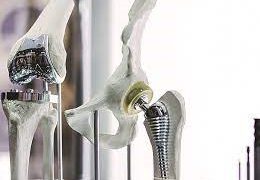
Nigeria, with its growing healthcare sector, often faces challenges in importing medical equipment such as orthopedic implants. Understanding the regulations, logistics, and procedures involved in shipping these crucial products is vital for importers. In this comprehensive guide, we’ll delve into all aspects of shipping orthopedic implants to Nigeria, ensuring importers like you are well-informed and prepared for a stress-free process.
Suppliers and Quality Assurance:
When sourcing orthopedic implants, it’s imperative to partner with trusted suppliers known for their adherence to quality standards such as ISO certifications. Conduct thorough research to verify the credibility and reliability of potential suppliers to guarantee the authenticity and safety of the products.
Regulatory Consideration:
Importing medical devices into Nigeria requires compliance with regulatory standards set by agencies like the National Agency for Food and Drug Administration and Control (NAFDAC) and Standard Organization of Nigeria. Orthopedic implants must undergo registration and approval processes to ensure they meet safety and efficacy standards. If required, you can contact Oluwatosin via 08032241768 for an expert documentation process or procedure.
Read Also: Nigeria’s Economic Crisis: How Valuehandlers’ Assist its Customer
Handling and Packaging:
Proper handling and packaging of orthopedic implants are crucial to maintain product integrity during transportation. Suppliers should employ industry best practices to ensure implants are securely packaged, protected from damage, and labeled accurately with essential information including product details, usage instructions, and expiry dates.
Cost Of Shipping & Transit Time:
Choosing the appropriate shipping method is essential to ensure timely delivery of orthopedic implants to Nigeria. Air freight is often preferred for its speed, especially for time-sensitive shipments.
Click here to request a Quote Now.
Product HS Code:
Orthopedic implants are classified under specific Harmonized System (HS) codes for customs clearance purposes. The HS code for orthopedic implants may vary depending on factors such as material composition and intended use. You can see the table below :
|
HS Code |
Product Description |
|
902110000 |
Orthopaedic or fracture appliances |
|
9021290000 |
Other orthopaedic or fracture appliances not specified in 9021 |
|
9021310000 |
Artifical body joint |
|
9021390000 |
Other artificial parts of the body not spacified |
Customs Clearance in Nigeria:
Navigating customs clearance procedures in Nigeria requires thorough documentation and adherence to import regulations. Importers like you must prepare essential documents including commercial invoices, packing lists, certificates of origin, and NAFDAC approval certificates. However, our team of specialists can help you conduct a thorough evaluation of your tariff obligations to identify potential cost-saving opportunities.
If you require further information, reach out to Oluwatosin via 08032241768 or whatsapp 08082375017.
