
Oil & Gas Project Logistics in Nigeria | Customs Clearance
Part Two: Global Procurement, Customs Compliance and Executing Successful Project Logistics In Part One, we established that successful Turnaround Maintenance projects are built on strategic supply chain planning rather than transportation alone. We examined why logistics has evolved into a critical project management discipline and how early integration between procurement and logistics improves schedule certainty […]
Import Maintenance Equipment to Nigeria | Oil & Gas Logistics
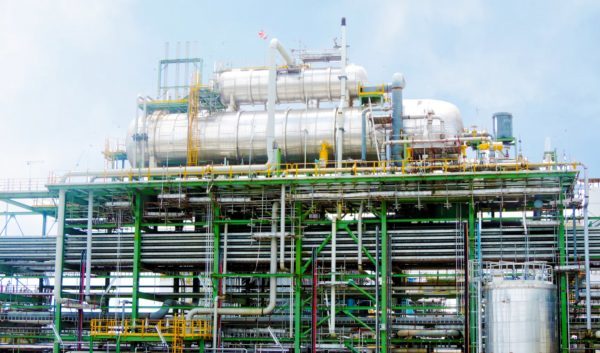
Fast, Reliable Importation of Oil & Gas Equipment into Nigeria: A Strategic Guide for Project Owners, Operators and Procurement Teams Nigeria’s oil and gas industry remains one of Africa’s largest industrial sectors, supporting upstream exploration, midstream infrastructure, downstream refining, petrochemical production, gas processing, and offshore operations. The success of these operations depends heavily on the […]
Turnaround Maintenance Logistics in Nigeria | The Complete Executive Guide
Part One: Why Strategic Logistics Planning Determines the Success of Turnaround Maintenance Projects Executive Summary Every successful Turnaround Maintenance (TAM) project begins long before the first maintenance engineer arrives on site or the first wrench is turned. It begins with a carefully designed supply chain. Across Nigeria’s upstream, midstream, and downstream petroleum industry, Turnaround Maintenance […]