
Part One: Why Strategic Logistics Planning Determines the Success of Turnaround Maintenance Projects
Executive Summary
Every successful Turnaround Maintenance (TAM) project begins long before the first maintenance engineer arrives on site or the first wrench is turned.
It begins with a carefully designed supply chain.
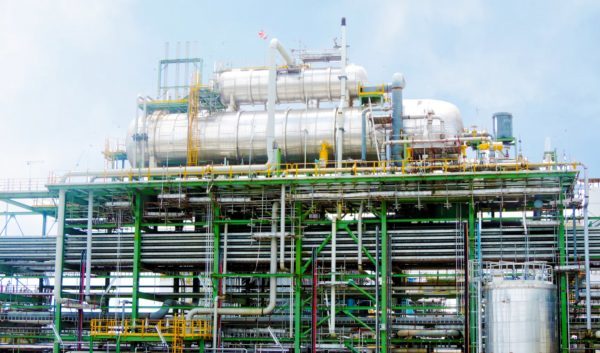
Across Nigeria’s upstream, midstream, and downstream petroleum industry, Turnaround Maintenance represents one of the most complex industrial activities undertaken by operators. Refineries, offshore production platforms, gas processing plants, petrochemical facilities, tank farms, and pipeline infrastructure periodically undergo planned shutdowns to inspect, repair, replace, and upgrade critical assets that ensure safe and reliable operations.
These shutdown windows are carefully engineered to minimize production losses while improving asset integrity and operational efficiency. During these periods, every activity—from procurement and transportation to customs clearance and final installation—must be executed with precision.
The logistics function therefore becomes far more than moving cargo from one country to another. It becomes a strategic enabler of project execution, directly influencing schedule certainty, operational continuity, regulatory compliance, cost control, and ultimately the commercial success of the entire maintenance programme.
This executive guide explores the strategic role of logistics in Turnaround Maintenance projects and outlines the best practices organizations should adopt when importing maintenance equipment into Nigeria.
Understanding Turnaround Maintenance (TAM)
Turnaround Maintenance, often referred to simply as TAM or a plant turnaround, is a planned shutdown of an industrial facility to perform major inspection, maintenance, repairs, equipment replacement, upgrades, statutory testing, and safety improvements.
Unlike routine maintenance activities performed during normal operations, Turnaround Maintenance requires production facilities to cease operations completely for a predetermined period.
Typical facilities requiring scheduled turnaround maintenance include:
- Petroleum refineries
- Offshore production platforms
- FPSOs (Floating Production Storage and Offloading vessels)
- Gas processing plants
- Petrochemical complexes
- LNG facilities
- Tank farms
- Pipeline infrastructure
- Power generation plants
- Industrial processing facilities
These projects may occur every two to five years depending on regulatory requirements, equipment condition, operational strategy, and manufacturer recommendations.
Although the shutdown period may last only a few weeks, planning frequently begins 12 to 24 months before execution.
This extended preparation reflects the complexity of coordinating engineering activities, procurement schedules, contractor mobilization, logistics planning, regulatory approvals, and project risk management.
Why Logistics Determines Project Success
For many organizations, logistics is still viewed primarily as transportation.
Within Turnaround Maintenance projects, however, logistics performs a much broader strategic function.
Every imported component—whether a replacement compressor, industrial valve, pressure vessel, instrumentation panel, or specialized maintenance tool—must arrive precisely when required. Delivering equipment too late can delay critical maintenance activities, while delivering too early may create storage challenges, increase security risks, or expose sensitive equipment to unnecessary handling.
READ: Container Shipping to Nigeria: A Strategic Guide to Seamless International Cargo Movement
Project logistics therefore becomes an exercise in synchronization.
Engineering schedules, procurement timelines, manufacturing lead times, international transportation, customs clearance, port operations, inland transportation, and site readiness must operate as one integrated system.
When this coordination fails, the consequences extend far beyond freight delays.
A delayed shipment may result in:
- Extended refinery shutdowns
- Lost production revenue
- Contractor idle time
- Equipment rental extensions
- Crane standby costs
- Vessel demurrage
- Storage and terminal charges
- Deferred commissioning
- Contractual penalties
- Supply disruptions
- Increased project costs
In modern energy projects, logistics performance is measured not by how quickly cargo moves, but by how effectively it supports project execution.
The Hidden Cost of Logistics Failure During Turnaround Maintenance
One of the most common misconceptions is that logistics represents only a small percentage of overall project expenditure.
While transportation costs may account for a relatively modest portion of a maintenance budget, poor logistics planning can generate financial consequences that far exceed freight charges.
Consider a refinery shutdown where the installation of a replacement heat exchanger depends on a shipment delayed during customs clearance.
Although the logistics cost may represent only a fraction of the project budget, the delay can prevent multiple engineering teams from commencing work, extend equipment hire periods, increase contractor standby costs, postpone commissioning activities, and prolong production downtime.
For offshore facilities, delayed cargo may also require additional marine vessel mobilization, helicopter support, accommodation costs, and revised operational schedules.
The true financial impact of logistics failure therefore lies not in freight costs, but in its effect on project continuity.
Leading energy companies increasingly recognize logistics as a risk management discipline rather than a transportation expense.
The Evolving Role of Logistics in the Energy Industry
Historically, logistics providers were expected to collect cargo from suppliers and deliver it to project sites.
Today’s energy projects demand considerably more.
Modern logistics partners are increasingly expected to contribute strategic insight during procurement planning, project engineering, compliance management, customs preparation, and execution planning.
Project teams now ask logistics specialists questions such as:
- Which transportation strategy best aligns with the shutdown schedule?
- Should critical equipment move by air freight while non-critical materials travel by sea?
- Which Nigerian port offers the most efficient clearance for this category of equipment?
- Will specialized cargo require heavy-lift handling or breakbulk transportation?
- What regulatory approvals should be obtained before shipment?
- Can multiple suppliers be consolidated to reduce logistics costs and improve schedule coordination?
- Are there opportunities to optimize duty exposure through appropriate customs procedures?
- What contingency plans exist if vessel schedules change or equipment readiness is delayed?
These are no longer operational questions.
They are project management decisions.
As supply chains become increasingly global and industrial projects more complex, logistics has evolved into an essential component of strategic project planning.
Procurement Should Drive Logistics Planning—Not the Other Way Around
One of the most significant opportunities for improving Turnaround Maintenance performance lies in involving logistics specialists much earlier in the procurement process.
Too often, logistics providers are engaged only after purchase orders have been issued and manufacturing has commenced.
By that stage, many critical decisions affecting cost, transit time, regulatory compliance, and delivery flexibility have already been made.
Leading organizations instead integrate logistics planning into procurement from the outset.
Early collaboration enables project teams to evaluate:
- Manufacturing locations and production capacity
- Supplier export capability
- Incoterms and contractual responsibilities
- Factory loading infrastructure
- Packaging and preservation requirements
- Cargo dimensions and weight
- Route feasibility
- Port selection
- Customs implications
- Documentation requirements
- Transportation strategy
- Delivery milestones
This integrated approach reduces uncertainty, improves schedule predictability, and strengthens overall project control.
Rather than reacting to logistics challenges after cargo has been manufactured, organizations can proactively design supply chains that support successful project execution.
Looking Ahead
The success of any Turnaround Maintenance project depends on far more than engineering excellence. It requires a supply chain capable of delivering the right equipment, to the right location, at precisely the right time, while navigating increasingly complex regulatory, operational, and commercial environments.
In Part Two, we examine the practical dimensions of executing this strategy, including global sourcing hubs for oil and gas equipment, selecting the appropriate freight mode, project cargo planning, customs compliance, regulatory approvals, and best practices for importing maintenance equipment into Nigeria.
